MUSIC FOR FLUTE, VIOLA, AND HARP
Contemporary Music for Flute, Viola, and Harp
The trio of flute, viola, and harp is a distinctive chamber‑music ensemble whose modern identity was shaped by Claude Debussy’s Sonata for Flute, Viola, and Harp (1915). The combination offers a uniquely transparent and colorful sound world, with the viola acting as a bridge between the flute’s smooth timbre and the harp’s plucked resonance. This page presents Lior Navok’s work for flute, viola, and harp alongside a curated selection of contemporary repertoire, providing performers with a resource for exploring new music for this expressive ensemble.

Duration:
15 minutes
Instrumentation:
flute, viola, harp
Year Composed:
2000
Written For:
Lumina Ensemble
Premiere Performance:
9 April, 2001
Jerusalem, Israel
Lumina Ensemble:
Abigail Dolan, flute
Amos Boasson, viola
Gittit Boasson, harp
Movements:
1. Dolente, con Nostalgia
2. Sognando
3. Vivace
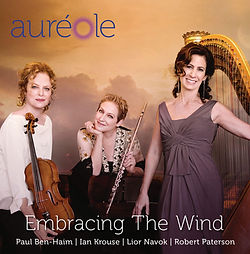
Veiled Echos - performed by the Aureole Trio

About Veiled Echoes
Veiled Echoes is a 15‑minute trio for flute, viola, and harp composed during a month‑long stay in Aspen, Colorado. Surrounded by mountains, forests, and rivers, the work absorbs the atmosphere of its natural environment, shaping a sound world that is airy, fluid, and delicately textured. Across three movements, recurring motives drift, return, and transform—like echoes carried by wind—creating a narrative that moves between nostalgia, dreamlike stillness, and energetic interplay. Written for the Lumina Ensemble, the trio highlights the expressive and coloristic potential of this unique instrumentation.
For the Performers
Level: Ideal for professional flutists, violists, and harpists; also suitable for advanced students exploring color, blend, and flexible rhythmic pacing.
Programming: Works well in contemporary chamber concerts, flute‑viola‑harp recitals, and programs centered on nature, atmosphere, or impressionistic sound worlds.
Competitions / Auditions: Frequently selected for ensemble competitions; several chamber groups have won first prize performing this work. Suitable for auditions that value blend, phrasing, and refined ensemble coordination.
Style: Three contrasting movements shaped by recurring motives—nostalgic, dreamlike, and energetic—woven into an airy, flexible texture.
Venue Fit: Most effective in intimate and medium‑sized halls where resonance, color, and subtle interplay can be fully appreciated.
Program Notes
Veiled Echoes for flute, viola, and harp was composed during a one‑month stay in Aspen, Colorado. Surrounded by pristine wilderness, the act of writing a trio for these instruments felt like a natural unification of music with the mountains, the woods, and the rivers. Influenced by these surroundings and the trio’s delicate instrumentation, Veiled Echoes is characterized by its airy and delicate texture. The rhythm of the piece often flows flexibly, akin to a leaf carried by the wind.
Veiled Echoes consists of three movements: the first evokes nostalgia and reminiscence. Several musical motives introduced here recur and develop throughout the subsequent movements. This movement concludes like a music box winding down. The second movement is the most dreamlike of the three, crafted to harmonize with the rustling of the wind and the flowing of the river. Here, I focused on creating a static atmosphere by juxtaposing musical events. The third movement showcases the energetic potential of the trio’s instrumentation and highlights the virtuosity of the players. Motives from the first movement intertwine with new themes in this lively finale.
Veiled Echoes was composed for Ensemble Lumina and is dedicated to them.


About Music for Flute, Viola, and Harp
Since Debussy’s groundbreaking 1915 Sonata, composers have embraced the ensemble’s potential for coloristic writing, atmospheric textures, and expressive lyricism. Contemporary works often explore extended techniques, modal harmonies, and delicate interplay, making the trio ideal for both recital and professional performance settings.
Contemporary Repertoire for Flute, Viola, and Harp
Claude Debussy — Sonata for Flute, Viola, and Harp (1915)
The foundational masterpiece of the genre. It was the second of Debussy’s projected "Six Sonatas for Diverse Instruments" and is credited with establishing this specific instrumentation as a standard chamber ensemble.
Tōru Takemitsu — And Then I Knew ’Twas Wind (1992)
A seminal 20th-century work that pays direct homage to Debussy’s Sonata. It is highly regarded for its meditative quality and atmospheric use of instrumental color, often programmed alongside the Debussy to show the ensemble's evolution.
Sofia Gubaidulina — Garden of Joy and Sorrow (1980)
An essential work of the contemporary canon for this trio. It is a poetic, deeply spiritual piece that uses the ensemble to explore extreme ranges of texture and resonance, often including a narrator in certain versions.
Lior Navok — Veiled Echoes (2000)
A substantial 15-minute contemporary trio exploring shifting soundscapes and "enchanting dialogues" between the three instruments. It is increasingly recognized in the repertoire for its expressive depth and nuanced interplay.
Miguel del Águila — Submerged (2013)
A rhythmically vibrant and evocative modern work commissioned by the Hat Trick trio. Inspired by Alfonsina Storni’s surrealist poetry, it is celebrated for its colorful underwater imagery and fusion of folk-like melodies with sophisticated modern techniques.